Here are the latest newsletters for my followers to peruse:
News, opportunities and more
Your monthly WestWord round up
|
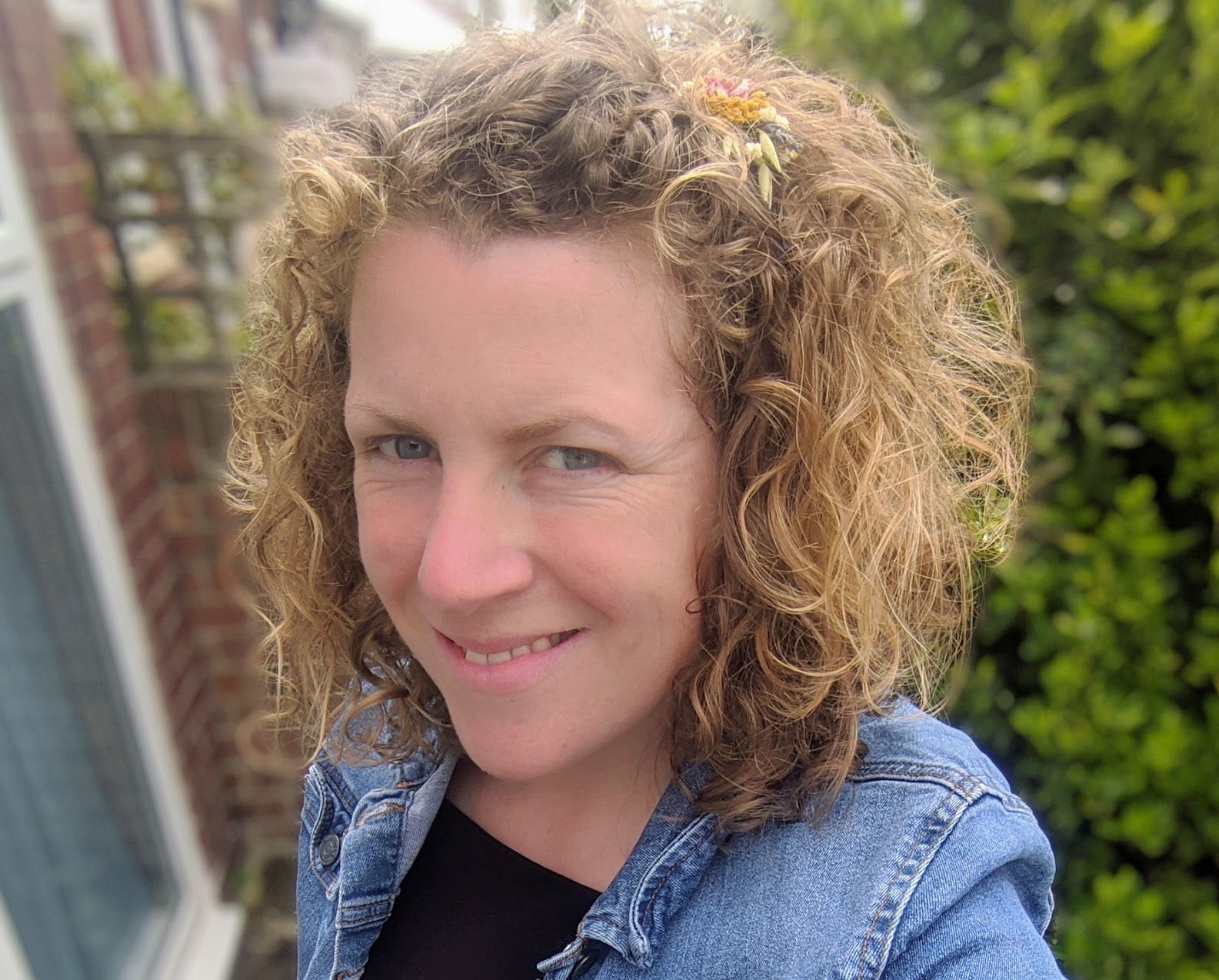

Hello everyone,
Despite a short hail shower this week, it appears Spring is finally here! And even though the heating is still kicking in, the longer days, daffodils and early morning songbirds are reminders that the season has actually changed.
And while the bluer skies might be luring you outside, this is your final weekend to work on your WestWord Prize entries and your submissions to the next themed edition. You have until the 31st March (more details below).
For those of you who’ve already entered, kick back and enjoy this month’s short story, Figurines by Ian O’Brien, and flash fiction Terminal by Edith-Nicole Cameron.
Then keep scrolling for deadlines, workshops and prompts to keep you inspired through the month of April.
As always, happy writing!
Deadlines
There are just a few days left to enter this year’s WestWord Prize! Kathryn Aldridge-Morris is judging this year and if you love a challenge and are starting your story from scratch, read Kathryn’s interview to discover what she loves about flash fiction. There is no theme for the WestWord Prize, we just want your best! For stories up to 1,000 words. Entry fee: £10. First Prize: £400 and publication. Shortlisted stories will also be published. Deadline: 31st March.
The clock is also ticking (and remember you have one hour less this weekend!) for those of you who want to submit your stories to the May edition of WestWord. We want your explorations of the theme CURRENT. Delve into those ebbs and flows of life that make it exciting and give us stories that are electric! Accepting short stories up to 3,000 words, flash fictions up to 1,000 words, and micro fictions up to 350 words. Submission fee: £5. Deadline: 31st March.
Always open
Hermit Haven
We want compelling stories hidden in borrowed structures. School reports, crosswords, shopping lists, instruction manuals… any format you can imagine! Send us your hermit crab stories (up to 1,000 words) for a chance of publication.
Folktale Flash
Submit your stories (up to 400 words) inspired by folklore, myths, legends, fables and fairytales. Alongside traditional explorations of the genre we are keen to read your experimental takes, modern retellings, surreal approaches, and unexpected twists.
Flash Focus
Two flash fictions (up to 750 words) are chosen each month for Flash Focus. All writers selected will also have an interview about the story that will run alongside it. There is no theme for this one.
Monthly Micro
The Monthly Micro is back. On the first Monday of each month a prompt is posted, you then have a week to comment with a 75-word micro. The winner (randomly selected so everyone who participates has a chance of winning) gets a free ticket to a WestWord workshop of their choice.
Short Story Spotlight
For longer stories of up to 5,000 words. All those stories published will be accompanied by an author interview. There is no theme but we suggest reading previously published stories to get a feel of what we like.
If you’re a member of the WestWord Community you now get one free submission a year included with your membership.
Workshops
The Unusual Slant: Fresh Perspectives
Wednesday 1st April 2026 4:00 PM - 5:00 PM BST
Finding a fresh angle on familiar territory is one of the most powerful ways to make your short fiction stand out. In this workshop, explore techniques for discovering the slant that makes your story unique. If you feel your stories always follow well-worn paths, this session will help you discover the unusual slant to bring your fiction to life.
Novel Building Blocks 4: Creating Unforgettable Characters
Sunday 5th April 3:00 PM - 5:00 PM BST
Learn techniques for developing complex, contradictory, and compelling characters who drive your novel forward. Explore arcs, motivation, backstory integration, and how to balance a cast across hundreds of pages while keeping each voice distinct and vital. This workshop is included with a WestWord membership or you can pay as you go.
Writing Flash Fiction Against the Clock
Sunday 12th April 2026 11:00 AM - 12:00 PM BST
Join Dreena Collins as she explores how constraining narratives to a specific window of time (an hour, a week, a decade) can paradoxically unlock new storytelling possibilities, create natural momentum and heighten tension that longer forms often struggle to achieve. Perfect for writers who want to sharpen their craft and experiment with structure.
Novel Building Blocks 5: Revision Strategies for Novel-Length Work
Sunday 3rd May 2026 3:00 PM - 5:00 PM BST
Learn vital methods to tackle the structural issues, character arcs, and pacing problems that come with working on a longer piece of prose. Developed to give writers a practical roadmap for transforming their draft into a polished manuscript. This workshop is included with a WestWord membership or you can pay as you go.
Writing Hour
Every Tuesday 3:00 PM - 4:00 PM GMT
Brand new for 2026. Join in at The Mindful Writer for this free weekly hour designed to create space for your writing projects. No reading out. No teaching. No pressure to share or explain what you’re working on. Just quiet, focused writing time held in community.
Friday Flashing
Every Friday 11:00 AM - 12:00 PM GMT
Join Debbi Voisey for focused flash fiction development that will sharpen every aspect of your writing. Each session features a reading, associated writing prompts and a chance to take your flash writing to the next level. These sessions are included in a WestWord membership or you can pay as you go.
If you have your own idea for a workshop, get in touch.
Courses
The Writing Sangha
New to The Mindful Writer for 2026. Inspired by Buddhist practice, The Writing Sangha is a women-only space where you are invited to use writing to become more awake to your life experiences, and to explore with curiosity and tenderness. A place where you won’t be alone with your questions, your struggles, your joys, your growth. Where you will be encouraged to hold each other through the practice, witness without judgement, and celebrate without comparison.
Other Opportunities
You only have two days to get your submissions in, but the wonderful Gutter magazine wants fiction, poetry and essays before midnight on 29th March. They won’t be open again until the Autumn so if you have something you think they’ll like, send it!
The Ware Poets Open Poetry Competition is open for entries and this year’s judge is Keith Jarrett. First prize: £1,000. Entry fee: £5 per poem. Deadline: 30th April.
The Bridport Short Story Prize is open for entries until 31st May. Send your stories (up to 5,000 words) for a chance to win the £5,000 top prize. Entry fee: £15.
Prompt
As it is the season of change, start by making a list of possible changes a character might face. This could be anything from emigrating to repainting their bedroom, making a medical discovery to a child losing their first tooth.
For each situation you have imagined, consider a negative feeling your character might be feeling about it, and one positive.
Write something where your character switches from the positive feeling to the negative (or vice versa). What changes in them to evoke this swing of emotion?
 |
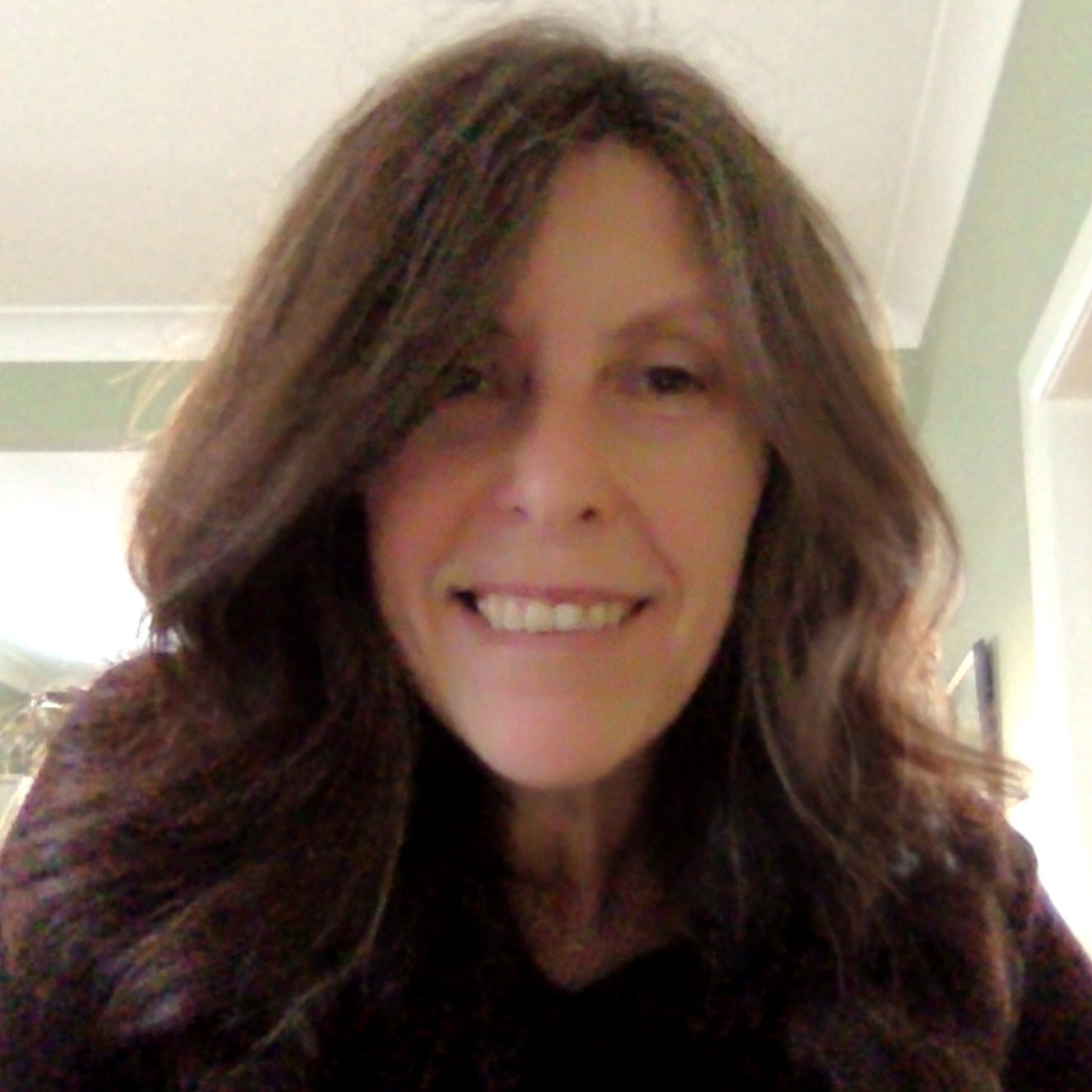


Hi Story Lovers,
We’ve been busy reading lots of novel openings for this year’s First Chapter competition and are delighted to announce the longlist. Many thanks to everyone who submitted. We’ve really enjoyed reading them all.
Longlisted Novels
Aliens All
Cloud Nine
Infinity Land
In the Forest of the Monkey Puzzle Trees
Last Human Artists
Murder Under Wraps
Nine Moons over Unstlar Isle
Of Fire and Flesh
Painter to the Queen
Solus
The Art of Deception
The Death and Life of Amelia Borgiotti
The Dreaming Tree
The Girl That Shouldn’t Exist
The Happy Trouser Company
The Other Side of Glass
Windfall
Congrats to the writers of these novels and we’ll be back with the shortlist as soon as we can!
Deadlines Looming!
The WestWord Prize closes in just 5 days! Flash stories of up to 1,000 words. This year’s judge is the phenomenal flash fiction writer, Kathryn Aldridge-Morris. Kathryn’s work is is widely published and celebrated. If you’re looking for inspiration, read her insightful interview with Amanda about what makes her tick. And if you want to know what stories we’ve loved in the past, you can read last year’s winning entries here. There is no theme for the WestWord Prize, we just want your best! Entry fee: £10. First Prize: £400 and publication. Shortlisted stories will also be published. Deadline: 31st March.
The May edition is also closing in 5 days and we want your stories exploring the theme CURRENT. Lovers braving an electrical storm, parent and child bonding while fishing, a farmer trying to protect their land with a new fangled technology. Send us your stories fizzing with static energy! Accepting short stories up to 3,000 words, flash fictions up to 1,000 words, and micro fictions up to 350 words. Submission fee: £5. Deadline: 31st March.
Ready to transform your writing journey?
WestWord isn't just another literary journal. It's a movement toward more mindful, meaningful storytelling that brings healing, peace, and unity to our divided world.
Join our writing community for just £14/month and unlock:
✨ Weekly 1-hour flash fiction writing Zoom sessions
✨ Monthly 1-2 hour craft workshops with replays
✨ Exclusive in-depth craft posts with deep insight and unique writing prompts
✨ Submissions to ALL themed editions and the annual WestWord Prize
From craft development to publication opportunities, membership gives you everything you need to grow as a writer.
Save £28 with annual membership — that's two months free — and makes each workshop, craft post, writing session and submission just £1.73 each!
| ||||||||||
|


Hi Story Lovers,
There’s a useful exercise to do once you’ve finished a draft, ask yourself what question your story is really asking. Not the external plot question but the deeper, quieter one. The one you might not have known you were asking when you started writing.
Because the best short stories hold open a space where a question can live. And that is a fundamentally different task from the one a novel sets itself.
A novel has room to build towards an answer. It can spend three hundred pages earning its resolution. A short story doesn’t have that luxury and, more importantly, doesn’t need it. Some of the most powerful short fiction doesn’t resolve so much as resonate, leaving you with a question you’ll carry around for days, turning it over, testing it against your own experience. So that’s what we’re looking at this month, how to get beneath the surface to the real questions your stories ask.
The surface question and the real one
Every story has a surface question. It’s the thing that lures readers in and keeps them reading on, the engine of plot. But beneath it sits something that goes deeper. Something that reaches past this character, this moment, this specific chain of events, and touches on something more universal. That’s the real question. And it’s the one readers are really responding to, even if they couldn’t tell you exactly what it is.
The Ride to Oblivion by Geoffrey K. Graves is a story told in interlocking sections, following two women whose lives become unexpectedly entangled: Ginny, who causes a hit-and-run and drives away, and Denise, the motorcyclist she injures and leaves behind. The surface question is: will Ginny ever face consequences for what she got away with? But the real questions are something more profound: Can guilt transform us, or does it only destroy us? And: what does it mean that the person we’ve wronged is capable of wronging others too?
The ending doesn’t answer that. It asks it more sharply. By the time the two women finally meet, Ginny is in hospital after a near-fatal overdose. Denise, who found her in an alley and called 999, is in a wheelchair as a direct consequence of what Ginny did. Neither knows this yet. The story closes on the moment Ginny is about to find out: she looks at Denise’s wheelchair and says, what happened to you?
Questions that never announce themselves
The question a short story asks should never be declared. It should be felt. The moment a story steps back and explains itself – stating its theme, telling us what to take away – it loses the thing that will make it resonate.
In The Castle, Kevin Morris tells the story of a Child living inside a fortress guarded by a fearsome Protector, playing with his dinosaurs in the courtyard while armies of misshapen beings besiege the walls. An old man called the Witness arrives, and eventually an outsider named Patrick appears beyond the gate, carrying a message the Child isn’t ready to hear. The story is an allegory, but it never announces itself as one. It never tells us this is about trauma, or the dissociated self, or the parts of us that freeze in childhood and resist growing up. The allegory does the work.
What makes this so effective is that the central question – can the Child and Patrick ever be reunited? – is left open. The gate swings shut. Patrick turns towards the horizon. The shadow warriors begin rebuilding the walls. And yet the small wave the Child gives Patrick before the gate closes has done something quiet and important. Something has shifted, even if nothing has changed yet. The story trusts us to feel the weight of that.
The question it’s really asking – what would it take for someone who has walled themselves off from their own memories to finally let those memories back in? – isn’t answered. It’s deepened. And that’s exactly right.
When the question is about perception itself
Sometimes the question a story asks isn’t just philosophical. Sometimes it reaches into the very structure of how we understand what we’re reading.
The Pit by Erin Dawkins puts its central question right at the heart of its narrator. Eleanor, on a family holiday that begins with a genuinely surreal incident — hundreds of snakes released from a truck into the traffic behind — starts to see snakes everywhere. A modem cable under her foot. Snake scales on the chicken skin. Track marks in the sand that might be snake trails. Her husband dismisses each incident. The story never tells us who’s right.
And that ambiguity is what it’s all about. But the real question the story is asking isn’t simply are there snakes or is Eleanor having a breakdown? It’s something quieter and more devastating than that: what happens to a woman when the everyday weight of motherhood — the endless demands, the invisible labour, the caged-in feeling — whittles her down past the point of no return? Eleanor is exhausted long before this holiday begins, and the vacation, crucially, isn’t one. The Airbnb comes with all the same cooking, cleaning, and laundry. The break that was supposed to restore her only accelerates her descent.
What makes Erin’s handling so powerful is how consciously the snake imagery carries this meaning. Snakes as symbols of fertility and confinement. A mother’s embrace as a kind of python squeeze. A woman who has shed pieces of herself to give everything to the people she loves. And Ray’s dismissiveness at every turn doesn’t just fail Eleanor — it pushes her further in, until she has become the very thing she feared: isolated behind glass, her family recoiling from her.
That final image — Eleanor pressing her palm to the glass as her family backs away — is devastating precisely because Erin designed it that way. Eleanor has become the snake in the enclosure. The woman who started the story outside, watching the chaos on the road, ends it contained and observed. Is she unwell? Is she being failed? Both? The story holds all of that at once and refuses to resolve it, which is exactly where its power lives. Strip out the uncertainty and replace it with a verdict, and you’d have something half as resonant. The question is the story.
Finding the question in your own work
Here’s something worth trying once you have a draft. Read it back and ask: what is this story making me feel uncertain about?
Not uncomfortable, necessarily. Uncertain. The thing that hasn’t resolved cleanly. The place where the story leaves a little space.
That’s usually where the real question lives.
Sometimes we smooth those places over in revision, worrying that ambiguity reads as vagueness or that an unresolved ending will frustrate readers. Usually the opposite is true. Readers don’t need all the answers. They need to feel that the question is worth asking, and that the story has asked it with honesty and precision.
If you can’t find a question in your draft, it might be worth asking whether the story is doing more than it needs to — explaining itself, wrapping up, making sure the reader gets it. Trust is hard to earn in revision, but it’s worth working for. The stories that stay with us long after we’ve finished reading are almost always the ones that handed us something unresolved and said: hold this for a while. Think about the short story masters — Hemingway, Carver, Munro, Chiang (I’ll stop here as could go on and on!) — their stories are full of space for questions.
You don’t have the space in a short story to over-explain. The form itself asks you to trust the reader, to leave things open, to end before the echo fades.
What is your story asking? And are you brave enough to not answer it?
With love,
Amanda 💙
Our next themed edition is open for submissions now – the theme is Current. The deadline is 31st March. Whether your story flows, eddies, or runs against the grain, we’d love to read it. For short stories, flash fictions and micro fictions. Submit here.
And the WestWord Prize for flash fiction closes on the same day and has £1000 in prizes to be won. Get writing! Submit here.
Ready to transform your writing journey?
WestWord isn't just another literary journal. It's a movement toward more mindful, meaningful storytelling that brings healing, peace, and unity to our divided world.
Join our writing community for just £14/month and unlock:
✨ Weekly 1-hour flash fiction writing Zoom sessions
✨ Monthly 1-2 hour craft workshops with replays
✨ Exclusive in-depth craft posts with deep insight and unique writing prompts
✨ Submissions to ALL themed editions and the annual WestWord Prize
From craft development to publication opportunities, membership gives you everything you need to grow as a writer.
Save £28 with annual membership — that's two months free — and makes each workshop, craft post, writing session and submission just £1.73 each!
| ||||||||||


No comments:
Post a Comment