With details of this and upcoming courses, the conference and more below:
Last Chance: Add Powerful Dimension to Your Story |
Do you have more than one storyline, timeline, or POV? 📌 |
|
|
Multiple storylines and timelines can bring wonderful added depth, dimension, and texture to a story, broadening its scope and making the whole more effective and resonant. They offer authors the chance to explore different perspectives on a story, and to creatively structure how it’s told to heighten reader engagement. If your story has more than one storyline, POV, or timeline, knowing how to weave them together smoothly and effectively is a major part of how well the overall story works. Every thread should be intrinsic to telling the story, complementing and reflecting one another without yanking readers’ focus or diminishing their investment. In this 90-minute live webinar, career book editor Tiffany Yates Martin will bring her decades of experience to exploring all these questions and more, dissecting the structure and techniques of published novels to demonstrate these principles in action. |
|
|
| - How to decide whether multiple storylines are right for your story
- How to ensure each storyline is essential to and cohesive with the story as a whole
- How to balance/weight storylines
- Principles and guidelines for structuring multiple POVs/timelines and weaving them together
- Ways to invest readers in each storyline—and keep them invested
- How to orient readers to each storyline with each scene
- Tools for transitioning smoothly and effectively between storylines
- Techniques for writing a multiple-storyline story
|
|
|
| - Authors writing fiction with more than a single storyline, POV, or timeline
- Novelists who are curious about trying more than one POV or timeline in their stories and want to learn more
- Authors writing fiction who struggle with structuring multiple storylines
- Authors who may be intimidated by writing multiple POVs/timelines who want to understand how to effectively use these devices
|
|
|
October 30, 2025 | 1:00 PM ET |
|
|
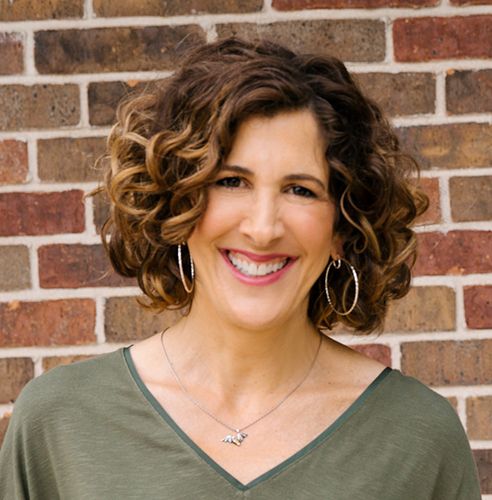
Meet the Instructor: Tiffany Yates Martin |
|
|
Active Interest Media
2143 Grand Ave Des Moines, IA 50312 USA
View online
|
|
|
This week, WD explores why writers have long imagined and written about the end of the world! |
|
|
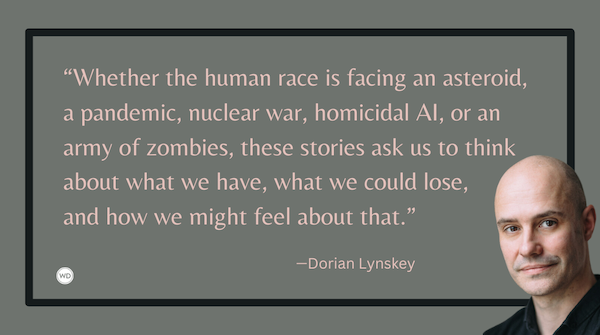
Author Dorian Lynskey explores why writers have long imagined and written about the end of the world (and why readers come along for the ride). |
|
|
More From Writer's Digest |
|
|
Author and English professor Jarret Keene discusses how horror has become a genre defined by experimentation and the exploration of complex themes centered on culture and identity. |
|
|
The award-winning author and Professor of Distinction shares how he constructed the nested narrative in his latest novel, The Buffalo Hunter Hunter. |
|
|
Every writer needs a little inspiration once in a while. For today’s prompt, write about a futuristic classroom. |
|
|
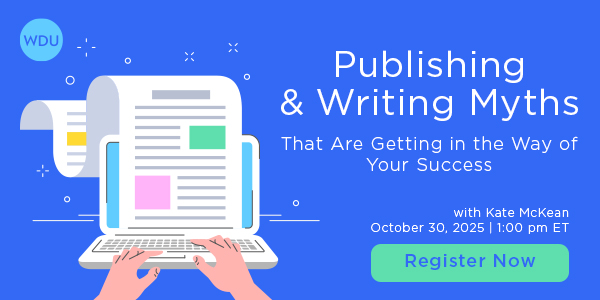
| You've got dozens of questions about how to succeed in publishing—and there are hundreds of different answers on the internet, from friends, and even experts. This live webinar will help you sort out what's a myth and what's not, how to figure out what advice is right for you, and how to stop letting all your misconceptions about publishing hold you back. |
|
|
Script Magazine In this week’s round up from Script magazine, Bryan Young dissects how Spike Lee put his own personal spin in adapting Kurosawa’s film High and Low. |
|
|
Writer’s Digest University Last chance to register! Noted publishing expert Jane Friedman covers everything you need to know about the self-publishing, hybrid publishing, and paid publishing services landscape, in plain English. You’ll come away with a clear picture of how these companies work, how they differ from each other, and how it all compares to what professional, self-publishing authors do.
|
|
|
| From Your Writer's Digest Editor: Michael Woodson Michael Woodson is the content editor of Writer’s Digest. |
|
|
Active Interest Media
2143 Grand Ave Des Moines, IA 50312 USA
View online |
|
|
In this issue, learn how one author used practice pitching to land an agent and find publication; plus, an interview with Amber McBride, audio tips, and much more! |
|
|
How Practice Pitching the Wrong Book Got Me My Agent |
|
|
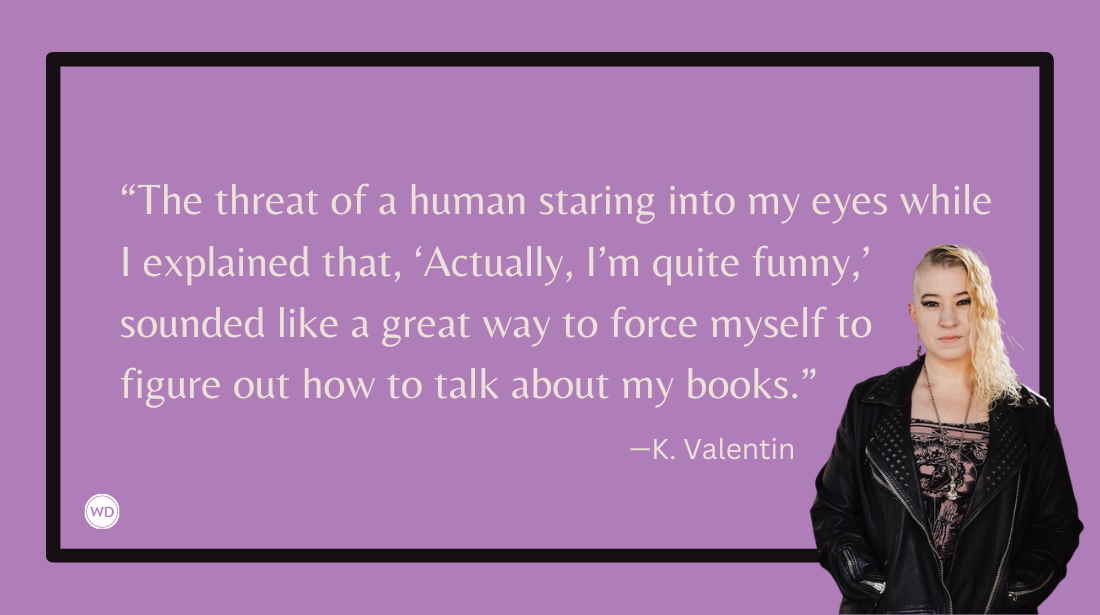
We’ve all read those fae-bargain-esque “How I Got My Agent” stories. A chance meeting or a DM on socials—sometimes a manuscript doesn’t even exist—followed by an offer of rep, a book sale, and six-figures. Makes a writer want to fling their query-weary body into the inviting sea. (I Got 8 Agent Offers; Then, My Book Died on Sub.) I don’t have one of those stories. My path to getting agented was filled with suffering (querying), and hampered by one glaring personal flaw: I was really bad at talking about my books. Read more... |
|
|
| FREE MASTERCLASS: 3 THINGS AGENTS & PUBLISHERS MUST SEE IN YOUR FIRST 30 PAGES. Industry pros decide quickly whether your manuscript’s opening intrigues them enough to read on – or reject. Bestselling author Barbara Kyle shows you the 3 elements your story’s first 30 pages must have to succeed. Read more ... |
|
|
Craft & Business of Writing |
|
|
10 Audio Tips for Fiction Writers |
|
|
Audio drama isn’t just about dialogue. It’s the hiss of a radiator, the crunch of boots on dry leaves and the pause before a truth is revealed. Just as novelists use language to build immersive worlds, audio creators use sound to transport listeners into spaces that exist only in the imagination. (What Is World-Building?) Here are 10 examples of how you can use sound effectively in your fiction (or perhaps nonfiction) podcast to deepen world-building and heighten storytelling. Read more... |
|
|
Amber McBride: Read Vastly and Be Curious |
|
|
"I think having so much support from my agent Marie Brown is like having a grandmother, an agent, and a best friend all in one. She's been in the industry longer than my parents have been alive, so she makes me feel safe." Read more... |
|
|
In Defense of Research for Writing |
|
|
I’ve always liked to research. When I was a child, my parents answered most of my (many) questions by saying, “Look it up!” Which I did, happily, in library books and dictionaries, encyclopedias and reference texts of all sorts. (Things Writers Should Know.) Later, I studied history in university and loved growing goggle-eyed in front of the microfilm machine, watching the flickering newspapers of the 1600s or 1880s. When I started my journalism career I relished doing a deep dive into a new subject, collecting information, hunting down blind alleys and interviewing far more people than was strictly necessary. So when I started writing nonfiction for children, I dove into the research. Read more... |
|
|
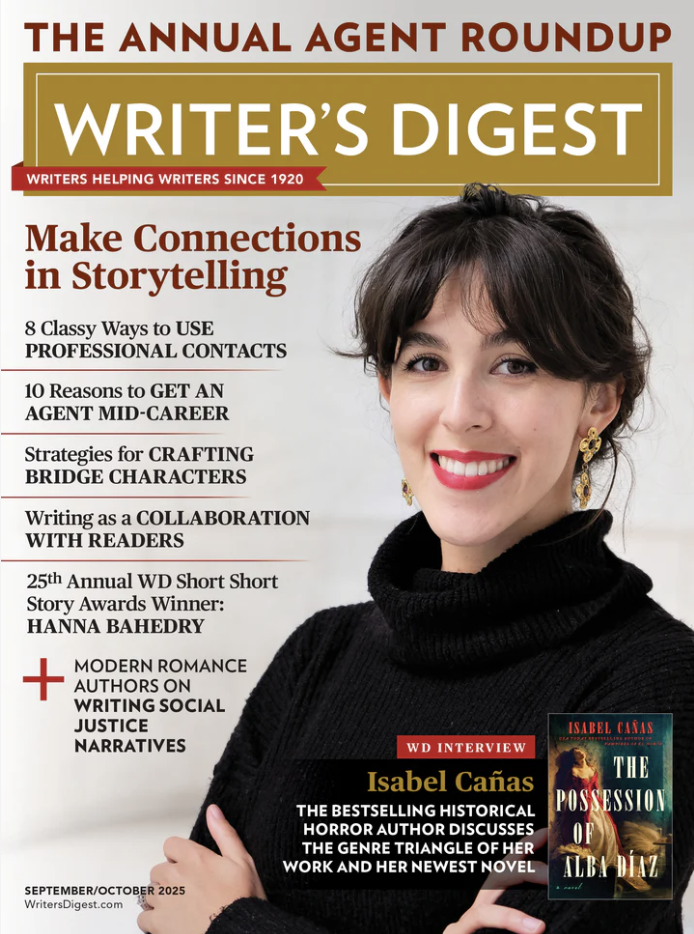
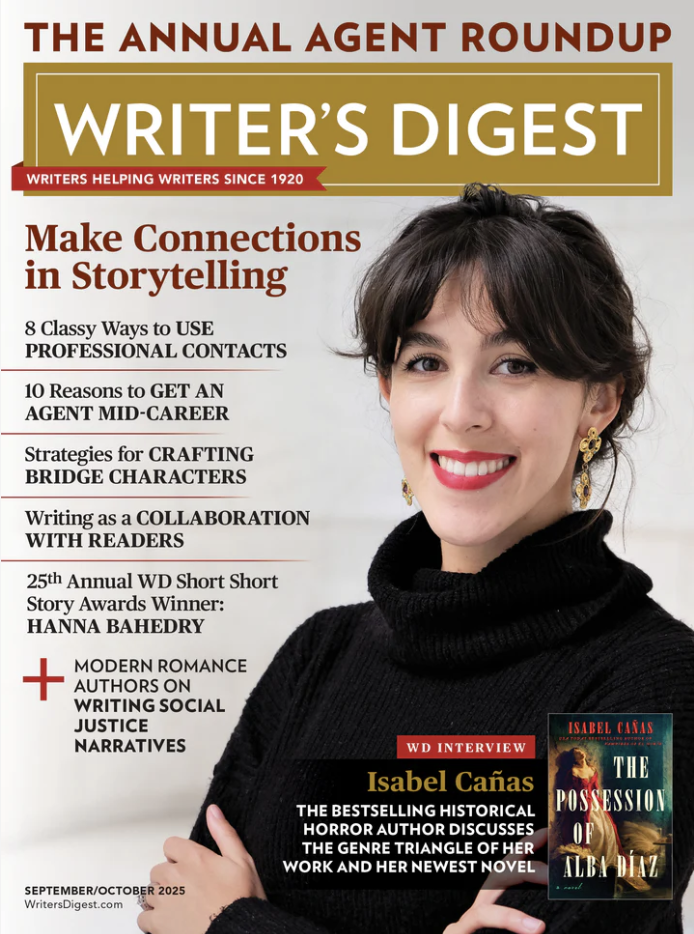
| Make Connections in Storytelling
Connections make up all parts of writing—connecting characters to each other, connecting readers to stories, and writers connecting to agents/publishers/readers, and more. In this issue, featuring our annual roundup of literary agents and how best to connect with them, we present articles on all the types of connections mentioned here, and other ideas inspired by how our contributors connect with this theme. Click here to learn more >> |
|
|
Wednesday Poetry Prompts: 760 |
|
|
Write a poem each week with the Wednesday Poetry Prompts. For this week's prompt, write an interesting word poem. Read more... |
|
|
| From Your Writer's Digest Editor: Robert Lee Brewer Robert Lee Brewer is a senior editor for Writer’s Digest and former editor of the Writer's Market book series. He is also the author of Smash Poetry Journal and Solving the World's Problems. For his interesting word poem, he chose the word "picaresque." |
|
|
Active Interest Media
2143 Grand Ave Des Moines, IA 50312 USA
View online |
|
|
You've devoted hours, days, months—even years— to writing and editing your novel or nonfiction book. With all that time invested, it's natural to want recognition for your hard work and dedication. Take your writing one step further and tackle the publishing process. When you enroll in this online course, you'll learn the details of the query letter format and how to write a query letter that catches the attention of agents and publishers.. "GREAT Course! Jack Adler was Fabulous. He answered all my questions. His comments made my query better than I could have done by myself." -Former Student |
|
|
| - What it takes to write a successful query letter
- How to pitch your writing to an agent
- What turns agents and editors on and what turns them off
- and much more!
|
|
|
Active Interest Media
2143 Grand Ave Des Moines, IA 50312 USA
View online |
|
|
In this issue, learn how to keep your story moving forward and readers reading; plus, an interview with Sonora Jha, on co-writing a novel, and more! |
|
|
How to Keep Your Story Moving |
|
|
Plot, it’s the stuff that gives our fictional characters a reason to exist. And it’s what makes readers want to continue to hang out with them. Because, let’s face it, just watching someone sitting around watching movies or baking cookies isn’t going to keep anyone’s attention. Not that I’ve got anything against my character watching a movie or baking something yummy, but that needs to be saved for when she’s taking a breather in between fighting with her rotten boss at the office or trying to catch a murderer. (25 Plot Twist Ideas for Writers.) A novel is like a story on a hike (or in the case of a thriller, on the run). There needs to be forward movement. Our characters must keep moving toward their goal, toward finding their happily-ever-after. So, how to do that? I believe that challenge, conflict, and determination followed by action are the special fuels that keep our stories moving. Read more... |
|
|
5 Steps for Writing a Successful Parenting Book |
|
|
Parenting in our current world is a complex topic which warrants support. Children today are living in a vastly different society than most parents experienced during their own childhood. Parents, guardians, and caregivers are seeking guidance on how to raise a well-rounded and happy child. (On Being Ready to Write and Publish a Book.) Fortunately, this is where writers and parenting experts can help. Parenting books provide the much needed advice families are hoping to find. Read more... |
|
|
Sonora Jha: Surrender to the Surprise in Your Story |
|
|
"I want readers to be delighted, I want them to surrender to a dream-like state that I wanted to craft in the storytelling, and I want them to have conversations around love, the bliss of female solitude, and the celebration of a fiendishly playful feminism." Read more... |
|
|
In the dead of night I wake, sweaty from the summer heat, plagued with visions. Well, a pun, or a funny scenario, or a new iteration of a running joke. Not even slowing down to put on my (very necessary) glasses, I struggle to unlock my phone (which does not recognize me without the aforementioned thick lenses). Hands shaking, I text the thought I’ve had to my co-author, Rosiee Thor, who’s probably asleep even considering the time difference. At last able to rest, I fall asleep again. (On Collaborating With a Child on a Book—A Child Who Used to Be You.) When I wake, I remember none of this, but mid-morning in the central time zone I get a reply from Rosiee, reminding me of the joke. Without a co-author to send unhinged messages to in the middle of the night, how much would be lost? When I tell people I co-wrote a book, they always ask the same question—one which, fortunately, I love answering: How does that work? Read more... |
|
|
| Make Connections in Storytelling
Connections make up all parts of writing—connecting characters to each other, connecting readers to stories, and writers connecting to agents/publishers/readers, and more. In this issue, featuring our annual roundup of literary agents and how best to connect with them, we present articles on all the types of connections mentioned here, and other ideas inspired by how our contributors connect with this theme. Click here to learn more >> |
|
|
2025 November Poem-A-Day Chapbook Challenge Guidelines |
|
|
Time to get ready for another month of poetry. I'm currently working on a few creative projects, and one of them is figuring out 30 poetry prompts for the 18th annual November PAD Chapbook Challenge! Read more... |
|
|
| From Your Writer's Digest Editor: Robert Lee Brewer Robert Lee Brewer is a senior editor for Writer’s Digest and former editor of the Writer's Market book series. He is also the author of Smash Poetry Journal and Solving the World's Problems. He watched his final cross country race of the 2025 season this weekend. |
|
|
Active Interest Media
2143 Grand Ave Des Moines, IA 50312 USA
View online |
|
|
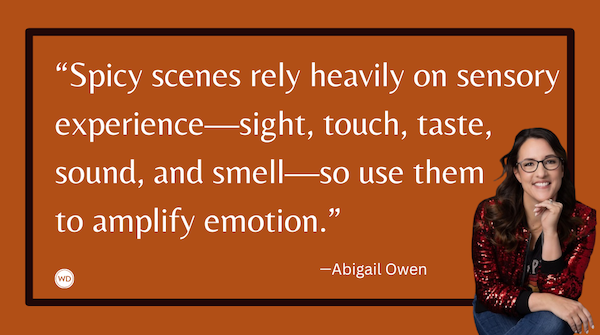
This week, WD shares how to make spicy scenes integral to the story, and more! |
|
|
Author Abigail Owen explains why writing spicy romance scenes are similar to writing fight scenes and how to make them integral to the story. |
|
|
More From Writer's Digest |
|
|
In this episode of “Writer’s Digest Presents,” author Carson Faust discusses the craft of writing horror. |
|
|
Author Sophia Vale Galano shares five steps for writing a successful parenting book to benefit parents and children alike. |
|
|
Every writer needs a little inspiration once in a while. For today’s prompt, write about the return of a memory and a phone call. |
|
|
| Last chance to register! This live webinar will help you sort out what's a myth and what's not, how to figure out what advice is right for you, and how to stop letting all your misconceptions about publishing hold you back. |
|
|
Script Magazine In this week’s round up from Script magazine, Jeanne Bowerman dives into the importance of consistency, and more. |
|
|
Writer’s Digest University In this 90-minute live webinar, career book editor Tiffany Yates Martin will bring her decades of experience to exploring all these questions and more, dissecting the structure and techniques of published novels to demonstrate these principles in action.
|
|
|
| From Your Writer's Digest Editor: Michael Woodson Michael Woodson is the content editor of Writer’s Digest. |
|
|
Active Interest Media
2143 Grand Ave Des Moines, IA 50312 USA
View online
|
|
|
In this issue, discover how audio storytelling changed one writer's process; plus, a new successful query, writing a memoir with spatial dyslexia, and much more! |
|
|
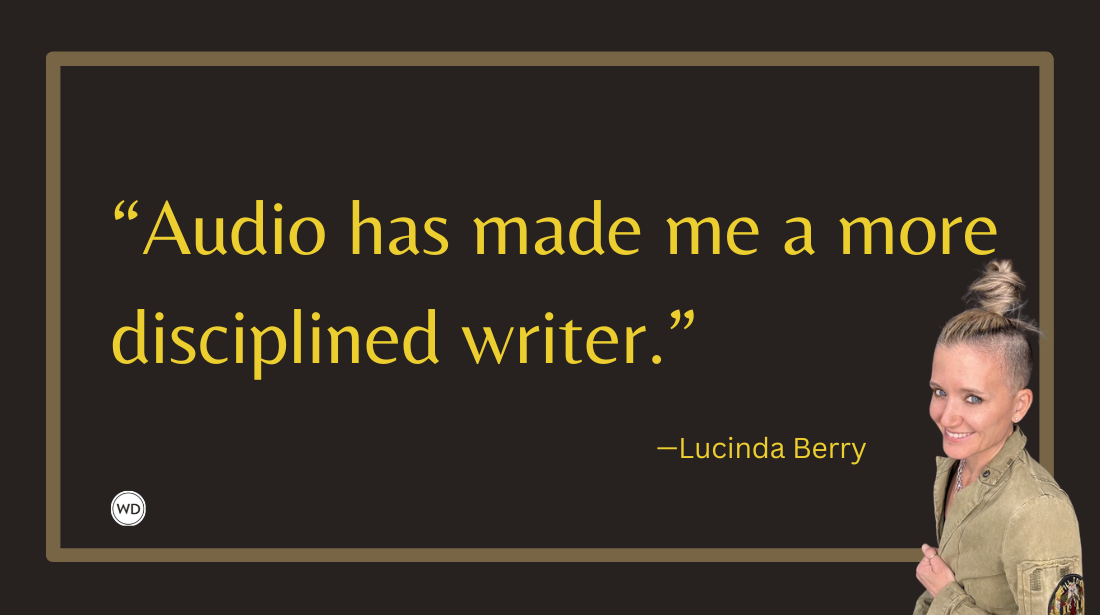
Audio Storytelling: How Writing Fully-Produced Audiobooks Has Changed the Way I Write |
|
|
Almost all of my books are made into an audiobook, read by one or more narrators depending on how the story is told. In the last couple of years, I’ve had the exciting opportunity to create two fully-produced audio thrillers—and doing so has forever changed the way that I write. Read more... |
|
|
Craft & Business of Writing |
|
|
Successful Queries: Vicious Cycle, by Jaime Parker Stickle |
|
|
Welcome back to the Successful Queries series. In this installment, find a query letter to agent Dara Hyde for Jaime Parker Stickle's debut novel, Vicious Cycle, as well as Dara's thoughts on what worked in the query and the publishing process. Read more... |
|
|
Philippa Gregory: Create the Best Thing You Can |
|
|
"One of the best things about being a writer is that you simply don’t know what readers will take from your book—it’s very personal to them." Read more... |
|
|
Writing a Memoir With Spatial Dyslexia |
|
|
The soundtrack of my childhood was the rapid clackety clack of a newsroom keyboard. My father, Bill Crago, was a newsman’s newsman. A microphone in front of his face, and the Associated Press and United Press news feeds were close at hand for instant, newsworthy information. He lived for and loved factual news. As an award-winning journalist, he looked down on the “if-it-bleeds-it-leads" journalists. He would often say integrity is the cornerstone of credible journalism, sliding a marked-up page back to me. And “keep your facts straight, they matter.” (Dyslexia Is a Writer's Superpower.) I did not grow up believing I would write a book. I grew up with spatial dyslexia, which meant lines could tilt off the page, paragraphs blurred into brick walls, and sequences—left to right, up to down—refused to behave. But I also grew up with a father who believed the point of writing wasn’t to look smart; it was to be understood. Read more... |
|
|
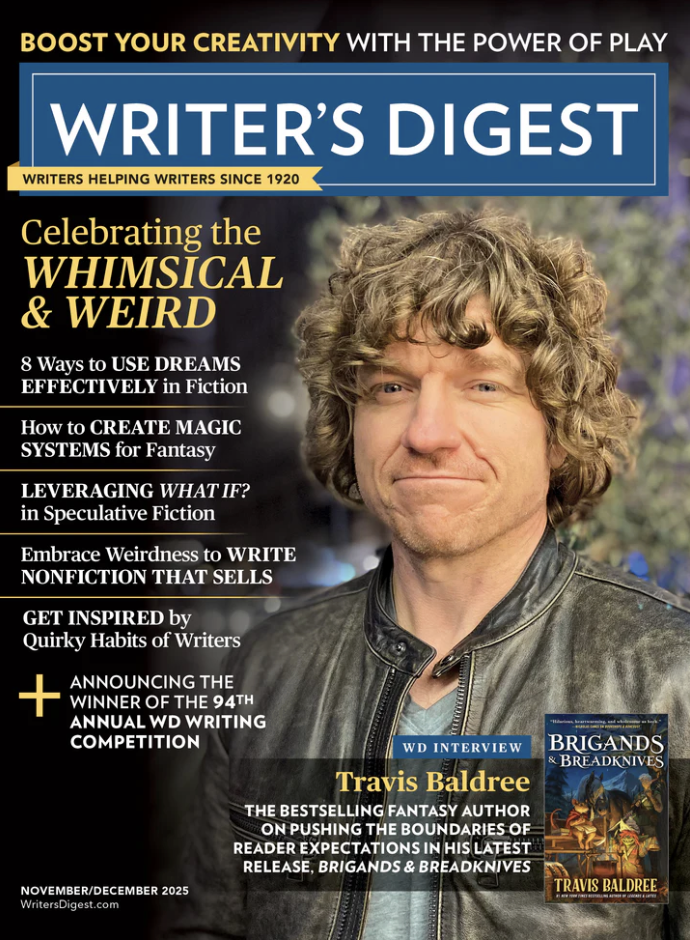
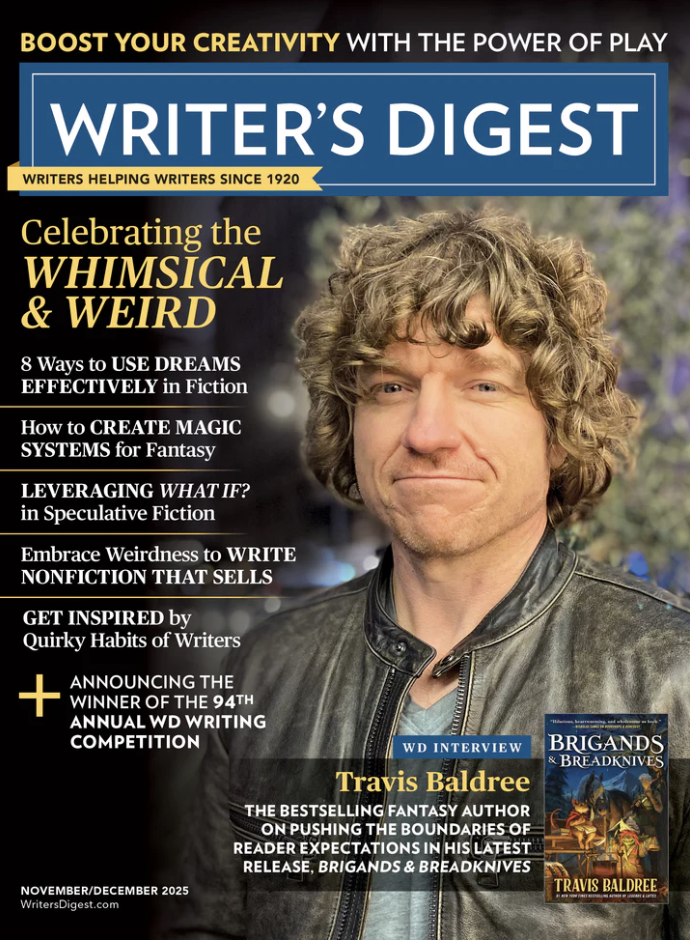
| Celebrating the Whimsical & Weird
From the time we’re children, the whimsical and weird draws us in and makes us imagine worlds beyond our own, creatures that exist only in our imaginations, and endless possibilities. In this issue, we celebrate whimsical and weird writing by exploring fantasy writing, magic, talking animals, monsters, unusual writing formats, and much more. Click here to learn more >> |
|
|
Wednesday Poetry Prompts: 761 |
|
|
Write a poem each week with the Wednesday Poetry Prompts. For this week's prompt, write a posthumous poem. Read more... |
|
|
| From Your Writer's Digest Editor: Robert Lee Brewer Robert Lee Brewer is a senior editor for Writer’s Digest and former editor of the Writer's Market book series. He is also the author of Smash Poetry Journal and Solving the World's Problems. He's gearing up for the 2025 November Poem-A-Day Chapbook Challenge. |
|
|
Active Interest Media
2143 Grand Ave Des Moines, IA 50312 USA
View online |
|
|
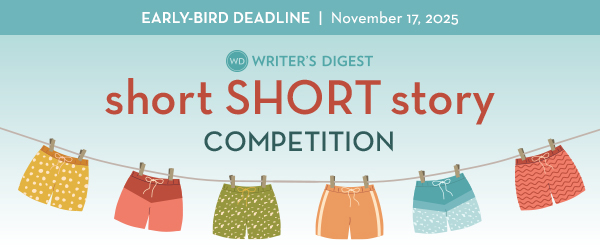
For over 20 years, Writer’s Digest's Short Short Story Competition has been looking for and shining the light on amazing short fiction. It’s that time again—we’re looking for writing that's bold, brilliant and, most of all, brief.
Think you can write a winning story in 1,500 words or fewer? Send us your best stories and you could win $3,000 in cash, a trip to the Writer’s Digest Annual Conference 2026, and an interview for a feature article in our magazine.
Ready to be the next writer we spotlight? Enter by November 17! |
|
|
Active Interest Media
2143 Grand Ave Des Moines, IA 50312 USA
View online |
|
|
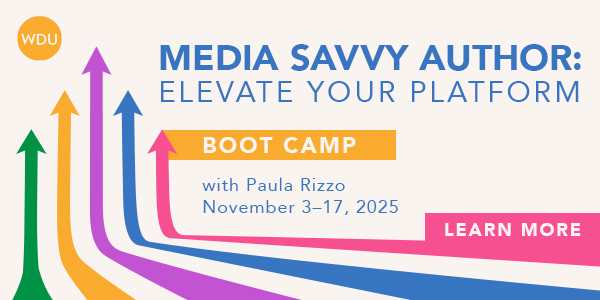
Learn from Emmy-Award Winning, Paula Rizzo 📸 |
Whether you're preparing to pitch your book, attract an agent, or grow your readership, your author platform is the foundation that supports it all. But building and maintaining one doesn’t have to be overwhelming. In this two-week boot camp, Emmy Award–winning media strategist and bestselling author Paula Rizzo will help you assess your current platform, imagine what’s possible, and develop a plan that fits your life and goals. Through guided worksheets, video lessons, and one-on-one feedback, you’ll gain clarity on how to show up as the expert you are — using tools like newsletters, social media, video, Substack, speaking, or media coverage — in a way that’s authentic and sustainable. |
|
|
| Elevate Your Platform Boot Camp |
|
|
Meet the Instructor: Paula Rizzo |
|
|
| Paula Rizzo is an Emmy Award-winning television producer, bestselling author of Listful Thinking & Listful Living, media-training coach, speaker, LinkedIn Learning Instructor, host of the live-stream show Inside Scoop, and creator of the popular online training Media-Ready Author. She also writes a regular column for Writer’s Digest and is an on-air contributor to WPIX in New York City. Grab Paula’s free guide, 10 Media Questions Every Author Needs to Answer, to create buzz for your book. She media trains fiction and nonfiction authors who are both traditionally and self-published. Harper Collins, Hachette Book Group, and Time Inc have all hired Paula to prepare their authors for book launches. She’s also media trained executives from The New York Times, Dow Jones, Fortune 500 companies and privately owned organizations. |
|
|
Active Interest Media
2143 Grand Ave Des Moines, IA 50312 USA
View online
|
|
|
Maybe you have an email newsletter of some kind, but you haven’t sent anything in months—even years. It might feel as if your list is simply too small to matter, or perhaps you can’t think of anything meaningful to say. And why bother? Is anyone really reading their email anyway? Despite its well-established value, email marketing remains a missed opportunity for a lot of authors—and it’s by far the number-one overlooked tool for book sales and marketing. When you invest in building your platform and marketing power, you might be tempted to prioritize social media. But social media is out of your control and ephemeral. Email is not. Being able to directly reach your readers, or your most engaged audience is a powerful capability that rewards your time and investment. While it can feel difficult and slow-going to build a list (and like you’re “bothering” people with your messages), these are mindset issues that can and should be overcome. This live webinar will cover best practices of email newsletters for authors, how to avoid the mistakes most prevalent in the writing community, plus the pros and cons of using the popular newsletter platform Substack. Thankfully, regardless of what tools or platforms you use to send your email newsletter, it’s fairly straightforward to start (or restart) an email newsletter. It often doesn’t cost you any money until you have a sizable list of names—and that’s the point at which it can become very profitable. |
|
|
| - A simple overview of the main email marketing service providers and which one might be best for you
- The many types of content you can put in email newsletter based on how much time you have
- How to build your list: the most common and meaningful methods, including the “ethical bribe”
- Why pop-ups don’t have to be evil and are in fact recommended to help build your list, and what free tool is recommended for this purpose
- The newsletter customizations that most people never make but can greatly improve retention and engagement
- The biggest newsletter design mistakes that kill response
- The sort of advice that’s commonly repeated but not all that applicable to authors (e.g., always personalize the email)
|
|
|
| - Writers of any genre who haven’t yet started an email newsletter
- Writers of any genre who sort of have a newsletter but aren’t consistent about it
- Writers who have a newsletter but it feels pointless or boring
- Writers who are blogging but don’t have a newsletter—and wonder which is better
- Writers seeking a better way to sell their book than social media
- Writers who don’t use social media at all but need more marketing power
|
|
|
| Establish (or Improve) Your Email Newsletter |
November 13, 2025 | 1 - 2:30 PM ET |
|
|
Meet the Instructor: Jane Friedman |
|
|
| Jane Friedman has nearly 25 years of experience in the publishing industry, with expertise in business strategy for authors and publishers. Since 2009, she has been sending email newsletters; her free newsletter Electric Speed reaches nearly 25,000 subscribers, and she is the founder-editor of the paid newsletter, The Hot Sheet, established in 2015. Jane’s latest book is THE BUSINESS OF BEING A WRITER (University of Chicago Press), which received a starred review from Library Journal. In addition to serving on grant panels for the National Endowment for the Arts and the Creative Work Fund, she works with organizations such as Writer’s Digest and The Authors Guild to bring transparency to the business of publishing. Learn more at JaneFriedman.com. |
|
|
Active Interest Media
2143 Grand Ave Des Moines, IA 50312 USA
View online |
|
|
To Be a Hero is to Be at Home In Our Own Lives |
For me, as a storyteller, the word, 'hero', is like the word 'home' --we all want to go home. We all want to be at home. We all want to be the hero. We all want the traits that a hero has. To be a hero is to be a believer in our own amazing potential, to be courageous in pursuing our life’s adventure, and to be sacrificial in our relationships with ourselves and others. It's to decrease our emphasis on the fighting and aggressive warrior archetype that we all seem to understand way too well and begin to live in the transformative and miraculous power of the magician archetype. To be a hero is to be at home in our own lives. Joseph Campbell's The Hero's Journey is about finding the hero in the stories that are our lives and giving him expression. It's saying yes to the hero when he shows up. We face down our demons and transform our fears into places of magical and miraculous potential. When we are able to do that we are empowered from the deepest and most authentic place inside of ourselves. As writers and storytellers, acknowledging the Hero's Journey for ourselves if we're the main character in our story or acknowledging it for our characters if we're writing fiction is to give ourselves permission to break through the conflicts and troubled places in our minds to a place of transcendence and freedom. |
|
|
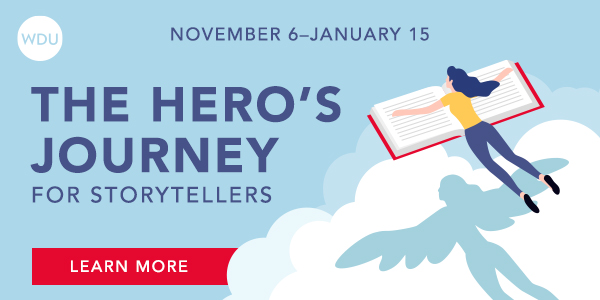
| The Hero's Journey for Storytellers |
November 6 - January 15, 2026 |
|
|
Chris Vogler writes in his book, The Writer’s Journey: The Hero’s Journey is not an invention, but an observation. It is a recognition of a beautiful design, a set of principles that govern the conduct of life and the world of storytelling the way physics and chemistry govern the physical world…The Hero’s Journey is a pattern that seems to extend in many dimensions, describing more than one reality. It accurately describes, among other things, the process of making a journey, the necessary working parts of a story, the joys and despairs of being a writer, and the passage of a soul through life. This course is about identifying the story you want to write about, deciding whether you want to approach your story through fiction or nonfiction, and then having the courage to say yes to the “call to adventure” and move into the “special world” of The Hero’s Journey. |
|
|
Meet the Instructor: Gloria Kempton |
|
|
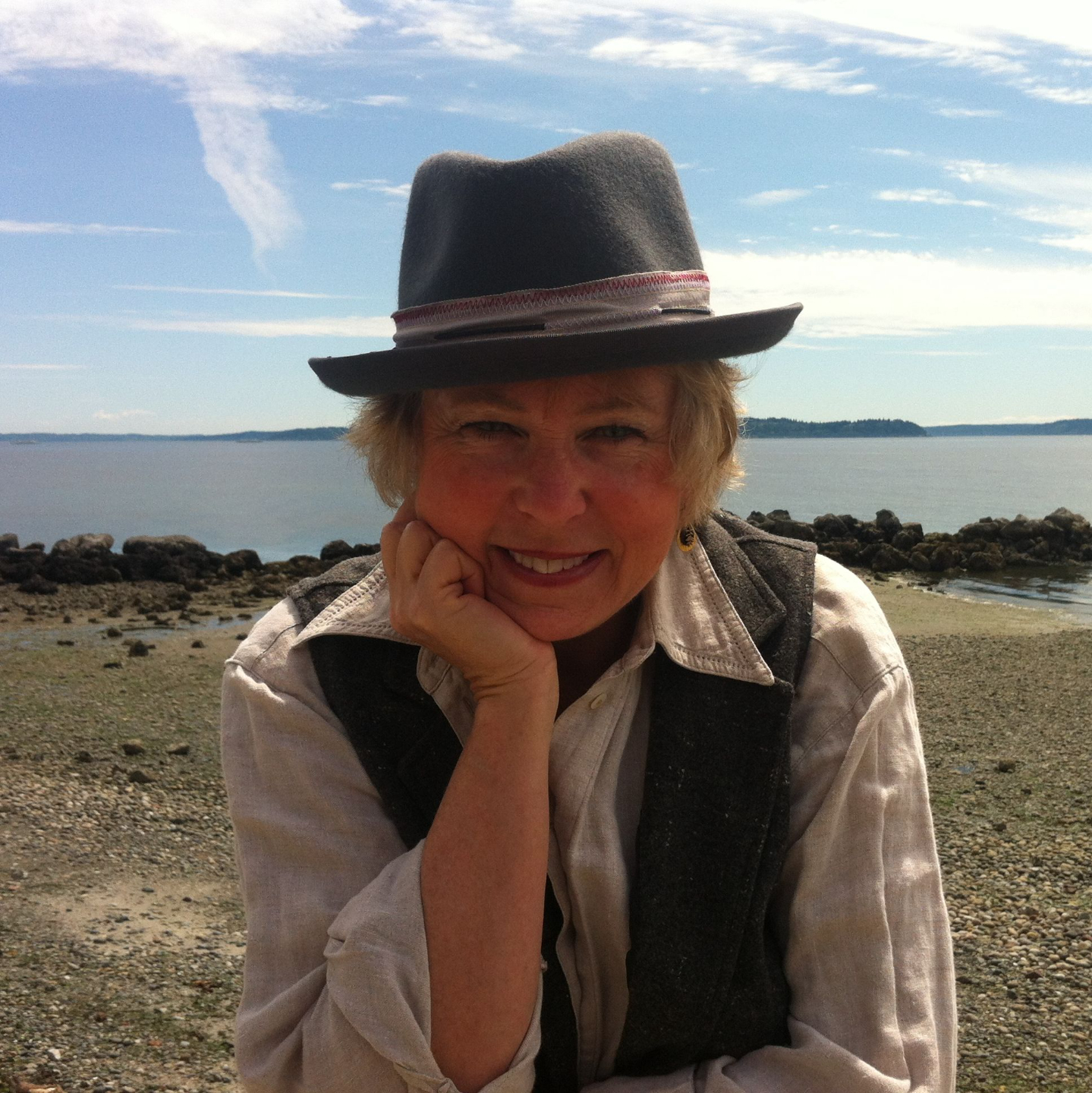
| Gloria Kempton is an author, writing coach and former magazine and book editor. She was raised by a professional romance writer who smoked all day while writing stories for true confession magazines. While the smoking had its downside, the writing took hold in Gloria’s soul when she was just nine years old. She wrote throughout grade school and high school, selling her first story at 21 years old. She is now the author of hundreds of magazine articles and short stories and eleven books, including Write Great Fiction: Dialogue and The Outlaw’s Journey; A Mythological Approach to Storytelling for Writers Behind Bars. She’s a former contributing editor to Writer’s Digest magazine and an instructor with their online writing courses at Writers Digest University. Gloria brings Joseph Campbell’s mythological storytelling system, The Hero’s Journey, into correctional institutions throughout Washington state where the writers in her classes are learning to write their personal stories and become the heroes they were always meant to be. |
|
|
Active Interest Media
2143 Grand Ave Des Moines, IA 50312 USA
View online |
|
|
October 30 - January 22, 2026 |
| Flash to Novel: Publishing Short Fiction and Laying the Foundation for a Novel With Mark Spencer When Ernest Hemingway was starting out, he focused on writing paragraphs. His first book (in our time, Paris 1924) was a collection of one-page stories. His method was to “write one true sentence” and building from there. “The natural way was the best way,” he says in his memoir A Moveable Feast. In Flash to a Novel, learn to write powerful, emotionally resonant flash fiction for submission to journals and acquire the skills to build a novel through the meticulous selection and accumulation of details while embracing the process of discovery. |
|
|
October 30 - February 12, 2026 |
| Advanced Novel Writing With Terri Valentine Push yourself beyond your comfort zone and take your writing to new heights with this novel writing course, designed specifically for novelists who are looking for detailed feedback on their work. When you take this online course, you won't have weekly reading assignments or lectures. Instead, you'll get to focus solely on completing your novel. While it is possible to write a novel in a month, in this course you'll spend 15 weeks writing yours—all the while gaining valuable feedback and getting the encouragement you need in order to finish writing your novel. You'll also learn specific tips for outlining and how not to write a novel. By the end of this course, you will have the tools and know-how you need to write a great novel. |
|
|
October 30 - December 11, 2025 |
| Form and Composition With Kelly Boyer Sagert Proper grammar, punctuation, and mechanics make your writing correct. In order to truly write well, you must also master the art of form and composition. From sentence structure to polishing your prose, this course will enhance your writing, no matter what type of writing you do. |
|
|
October 30 - November 13, 2025 |
| Pitch an Article: Write for Today's Marketplace With Estelle Erasmus In today’s competitive marketplace, it’s important to catch an editor's attention. It all starts with a pitch. No matter what kind of article you want to write, a good pitch letter will get you noticed by an assigning editor.
This intensive two-week course will teach you how to craft a good pitch letter and do it well. Be ready to mine your life for ideas. Start thinking about a great spin on a topic or an unusual personal experience that you'd like to write about in class.
Improve your pitching game! |
|
|
October 30 - November 13, 2025 |
| Query Letter in 14 Days
With Jack Adler You've devoted hours, days, months—even years— to writing and editing your novel or nonfiction book. With all that time invested, it's natural to want recognition for your hard work and dedication. Take your writing one step further and tackle the publishing process. When you enroll in this online course, you'll learn the details of the query letter format and how to write a query letter that catches the attention of agents and publishers. |
|
|
October 30 - November 20, 2025 |
| Your Creative Journey
With Dave Trottier Join long-time favorite instructor Dave Trottier to discover and develop your writing creativity in just three weeks! You'll tackle blocks, block fears, and liberate your inner writer. Best of all, you'll have loads of fun as you embark on your creative journey! This course will help you achieve higher levels of creativity leading you to excellence in your writing. |
|
|
MORE FROM WRITER'S DIGEST |
|
|
Active Interest Media
2143 Grand Ave Des Moines, IA 50312 USA
View online |
|
|
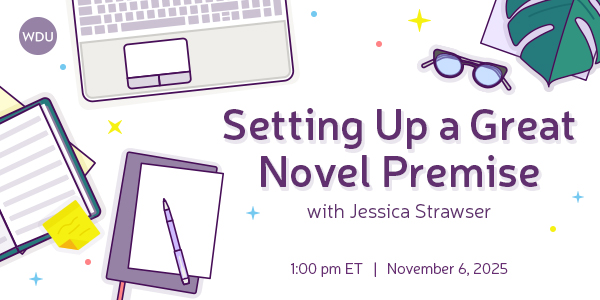
Maybe you have a great premise in mind for a novel, but you're intimidated by the idea of writing it, unsure where to begin. Or maybe you've started writing and you keep stalling out, stuck in "the muddle in the middle." Or you're wondering if you really have enough for a whole novel and not just a long short story. Jessica Strawser is a USA Today bestselling author of six popular book club novels hailed for their irresistible premises. She’s also a Writer’s Digest Editor-at-Large with more than 20 years of experience consulting with writers on their queries, synopses, and opening pages. She can spot a marketable premise at a glance—and knows firsthand what it takes to turn a good premise into a great manuscript. In this live webinar, you’ll learn how to use your basic story idea to set up a compelling premise and build upon it until you have all the elements of a winning novel. Through examples from the bestseller shelves, you’ll learn tips and techniques that can easily be adapted to your experience level, personal writing style, and the needs of your story. |
|
|
| - How one premise can lead to countless plots—and how to find the one that gets you excited to come to the page
- How to simplify your starting point by approaching your basic fiction premise like a nonfiction writer: who, what, when, where, why, and how
- Why it pays to explore comp titles (on the page and the screen) before you write
- How to have fun with your idea, embrace the brainstorming phase, and find creative ways to "research" a fictional concept
- The art of using thematic story questions to guide your story-building
- The importance of keeping in mind what your story is really about
- How to bring your premise to life: choosing the right characters and points of view
- How to think in terms of story beats -- whether you're a pantser or a plotter
- How to put your concept to the test with elevator pitch and synopsis tools—finding what works for you
- How to know when you've mapped out enough to hit the gas pedal and start writing (with or without an outline)
|
|
|
| - Beginning writers who have a story idea but don’t know if it translates to a whole novel, are intimidated by the idea of writing it, and/or just don’t know where to begin
- Writers who worry their premise “has already been done” or is too “derivative” or “generic”
- Beginning-intermediate writers who keep stalling out in the middle of their manuscript
- Beginning-intermediate writers looking for creative new ways to think a story through before writing—even if (or especially if) they prefer to write organically instead of outlining
- Beginning-intermediate writers looking to expand basic story ideas into more complex, layered, compelling stories
- Writers whose novel is too short for the genre’s conventions and need to expand upon a basic premise and make it fuller
- Writers with a novel draft that seems too “quiet” or meandering/unfocused
- Writers with a project that isn’t working, uncertain whether to revise or scrap it and start over
|
|
|
| Setting Up a Great Novel Premise |
November 6, 2025 | 1 - 2:30 PM ET |
|
|
Meet the Instructor: Jessica Strawser |
|
|
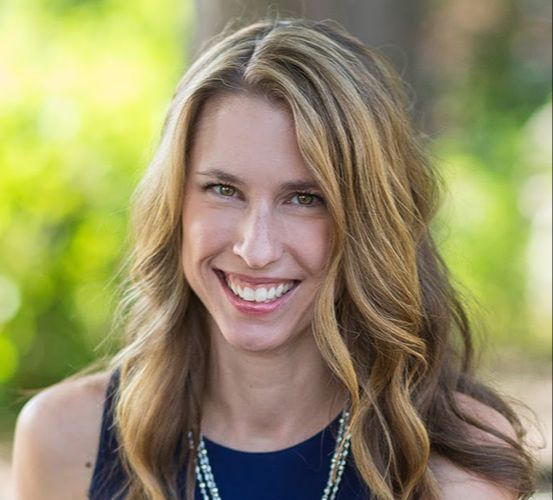
| Jessica Strawser is editor-at-large & columnist for Writer’s Digest, where she previously served as editorial director. She is the bestselling author of six popular book club novels, including Almost Missed You, Not That I Could Tell (a Book of the Month bestseller), Forget You Know Me, A Million Reasons Why, and The Next Thing You Know (a People Magazine Pick). Her latest, The Last Caretaker, was an Amazon Editors’ Pick for First Reads and debuted as an instant USA Today bestseller in December 2023. She has written for The New York Times Modern Love, Publishers Weekly, and others, and is a popular speaker at writing conferences. |
|
|
Active Interest Media
2143 Grand Ave Des Moines, IA 50312 USA
View online |
|
|
Writers helping writers improve their craft, achieve their goals, and recognize their dreams since 1920. |
|
|
Writer’s Digest University can help you get your writing career underway. Our expert instructors will provide advice, specific instruction, real-world experience, expertise, and the motivation and drive to help you achieve your goals. Join us by signing up for any of the events below!
Can't make it live? No problem. Each registration comes with access to the archived version of the program and the materials for one year. You do not have to attend the live event to get a recording of the presentation. |
|
|
You've got dozens of questions about how to succeed in publishing--and there are hundreds of different answers on the internet, from friends, and even experts. Someone will tell you to NEVER start your novel with a character getting out of bed, but then someone will tell you that's exactly how they got their big book deal! This live webinar will help you sort out what's a myth and what's not, how to figure out what advice is right for you, and how to stop letting all your misconceptions about publishing hold you back. |
How do you structure and weave the various storylines together? How do you shift between storylines and immediately orient readers without confusing them? How do you invest readers deeply in each one—and keep them invested throughout? What merits a separate storyline—and what’s just backstory? If your story has more than one storyline, POV, or timeline, knowing how to weave them together smoothly and effectively is a major part of how well the overall story works. Every thread should be intrinsic to telling the story, complementing and reflecting one another without yanking readers’ focus or diminishing their investment. |
Whether you're preparing to pitch your book, attract an agent, or grow your readership, your author platform is the foundation that supports it all. But building and maintaining one doesn’t have to be overwhelming. In this two-week bootcamp, Emmy Award–winning media strategist and bestselling author Paula Rizzo will help you assess your current platform, imagine what’s possible, and develop a plan that fits your life and goals. Through guided worksheets, video lessons, and one-on-one feedback, you’ll gain clarity on how to show up as the expert you are — using tools like newsletters, social media, video, Substack, speaking, or media coverage — in a way that’s authentic and sustainable. |
Jessica Strawser is a USA Today bestselling author of six popular book club novels hailed for their irresistible premises. She’s also a Writer’s Digest Editor-at-Large with more than 20 years of experience consulting with writers on their queries, synopses, and opening pages. She can spot a marketable premise at a glance—and knows firsthand what it takes to turn a good premise into a great manuscript. In this live webinar, you’ll learn how to use your basic story idea to set up a compelling premise and build upon it until you have all the elements of a winning novel. Through examples from the bestseller shelves, you’ll learn tips and techniques that can easily be adapted to your experience level, personal writing style, and the needs of your story. |
This live webinar will cover best practices of email newsletters for authors, how to avoid the mistakes most prevalent in the writing community, plus the pros and cons of using the popular newsletter platform Substack. Thankfully, regardless of what tools or platforms you use to send your email newsletter, it’s fairly straightforward to start (or restart) an email newsletter. It often doesn’t cost you any money until you have a sizable list of names—and that’s the point at which it can become very profitable. Instructor Jane Friedman has been sending her free email newsletter, Electric Speed, since 2009, which is now enjoyed by nearly 30,000 subscribers. She also sends daily and weekly blog newsletters and has run a paid newsletter since 2015. |
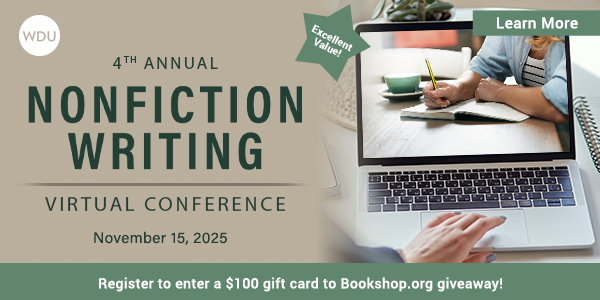
Experience the education, camaraderie, and opportunities provided by a live writing conference without ever having to leave your home! Writer’s Digest University is pleased to present a one-of-a-kind online event for Nonfiction writers! On November 15, 2025, our WDU Nonfiction Writing Virtual Conference will provide expert insights from bestselling nonfiction authors. Spend the day learning techniques for honing your craft, then optionally receive a personalized critique of your query letter or pitch for a magazine/web article from a participating literary agent. |
Ever pitched your novel and heard a polite “…interesting” instead of an enthusiastic “Send it now”? That’s the difference between a solid premise and a high-concept one—and in today’s market, high-concept is currency. This live webinar is for writers who suspect their idea might be good… but also might be missing the sharp, irresistible edge that gets agents and editors to stop scrolling. Together, we’ll break down what “high-concept” actually means (hint: it’s not just hype), explore how to elevate your existing premise, and pressure-test your logline until it can hold up in any pitch room. |
MORE FROM WRITER'S DIGEST |
|
|
Active Interest Media
2143 Grand Ave Des Moines, IA 50312 USA
View online
|
|
|
In this issue, learn how one author approaches writing healing fiction; plus, an interview with Kim DeRose, seven ways to collect humorous bits, and more! |
|
|
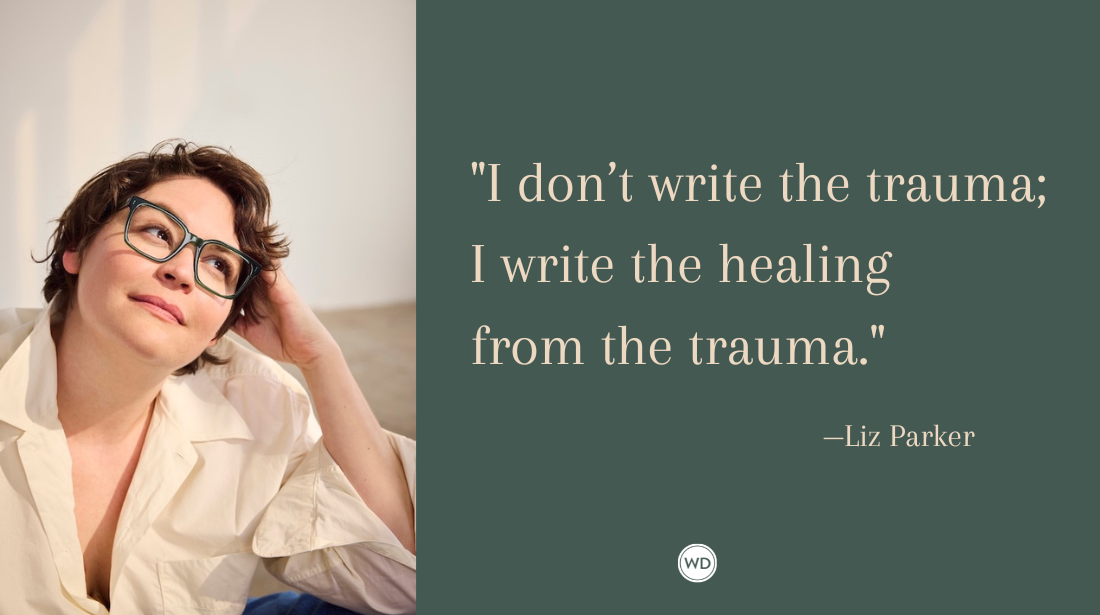
It started with a short story in an upper-level creative writing class—the first time I’d actually written fiction beyond the tales I used to tell myself to escape the realities of an abusive childhood that left me with complex-PTSD and a no-contact relationship with my mother. (Navigating the Emotional Impact of Writing Vulnerable Content.) I had no idea where to start, so I wrote about a dream I had. There was a waterfall and a bear and a complete lack of narrative. Four other students read it during a workshop, and it did not go well. Reading had always been a transformative experience for me, and that’s what I’d hoped that moment could bring to them. It didn’t. And, honestly, I don’t blame them. Read more... |
|
|
5 Gripping Thrillers Where the Past Won't Stay Buried |
|
|
Here is a list of five thrillers that are stuck in my head, books that I wish that I could have written myself. Read more... |
|
|
Kim DeRose: Focus Less on the Destination and More on the Journey |
|
|
"Now that I am a published author, I can say that while sharing my art with others does feel wonderful, it’s still the act of writing that’s the magical part. I try to remind myself of this fact when I’m working on a new story and don’t have it all figured out yet." Read more... |
|
|
7 Ways to Collect Humorous Bits |
|
|
Humor is all around us, but it takes much awareness—much like a hunter on the prowl. Except in this case, you’re hunting for what makes people hoot and holler! Read more... |
|
|
| Celebrating the Whimsical & Weird
From the time we’re children, the whimsical and weird draws us in and makes us imagine worlds beyond our own, creatures that exist only in our imaginations, and endless possibilities. In this issue, we celebrate whimsical and weird writing by exploring fantasy writing, magic, talking animals, monsters, unusual writing formats, and much more. Click here to learn more >> |
|
|
2025 November Poem-A-Day Chapbook Challenge Guidelines |
|
|
Time to get ready for another month of poetry. I'm currently working on a few creative projects, and one of them is figuring out 30 poetry prompts for the 18th annual November PAD Chapbook Challenge! Read more... |
|
|
| From Your Writer's Digest Editor: Robert Lee Brewer Robert Lee Brewer is a senior editor for Writer’s Digest and former editor of the Writer's Market book series. He is also the author of Smash Poetry Journal and Solving the World's Problems. He dressed as the fictional cowbell player Gene Frenkle for a Halloween party over the weekend. |
|
|
Active Interest Media
2143 Grand Ave Des Moines, IA 50312 USA
View online |
|
|
Take 20% off with Code NONFICTION20 ✅ |
|
|
Experience the education, camaraderie, and opportunities provided by a live writing conference without ever having to leave your home! Writer’s Digest University is pleased to present a one-of-a-kind online event for Nonfiction writers! On November 15, 2025, our WDU Nonfiction Writing Virtual Conference will provide expert insights from bestselling nonfiction authors. Spend the day learning techniques for honing your craft, then optionally receive a personalized critique of your query letter or pitch for a magazine/web article from a participating literary agent. |
|
|
New in 2025: Everyone who registers for this virtual conference will be entered to win our giveaway, and one lucky registrant will take home a $100 gift card to Bookshop.org! |
|
|
Saturday | November 15, 2025 |
|
|
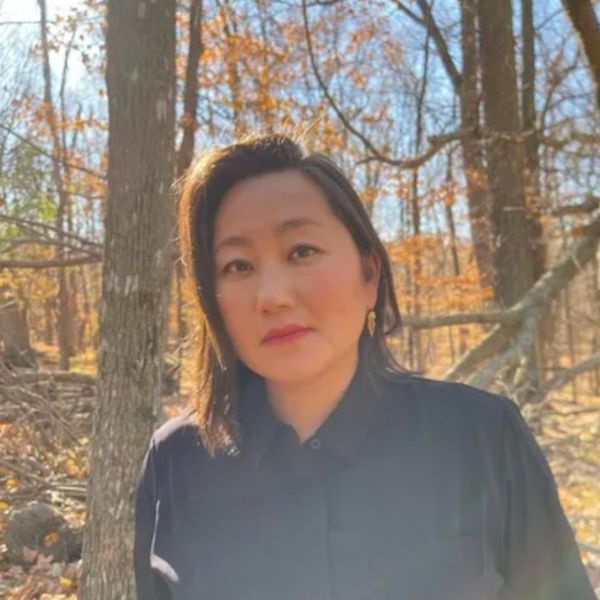
| Time Travel in Memoir Kao Kalia Yang | 11:00 AM ET Memoir writers are tasked with carrying a story through time and place. One of the biggest challenges that writers of nonfiction face is how to build emotional/logical scaffolding so that these transitions work on the page, feel seamless to the narrative, and connect with the lived/remembered experiences of readers. Join award-winning author Kao Kalia Yang in a candid reflection about how she's navigated the necessary and creative decisions to adventure from the present to the past, from one continent to the other, and learn techniques for bridging time and place in the work of memoir writing. |
|
|
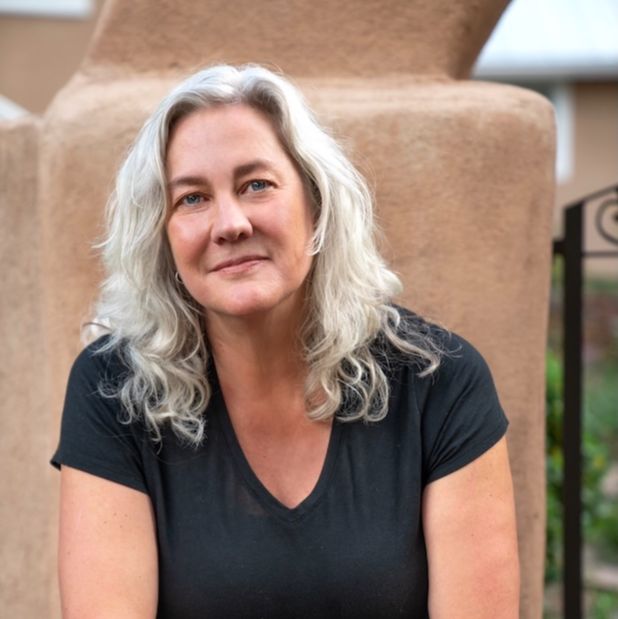
| 10 Rules for New Writers: How to Develop the Chops, Stamina, and Resilience to Get Your Book across the Finish Line Wendy Johnson | 1:00 PM ET As a professional in another field, and a writer of academic articles and short pieces, I had to train myself how to write a whole book. Everyone's path to publication is different. I'll share a little bit of my path and some of the "rules" I learned along the way that can apply to all nonfiction writers, from to cultivating curiosity to developing personal revision rules and more. |
|
|
| Pacing and Action: How to Write a Page-Turning Narrative Cassidy Randall | 3:00 PM ET It’s never a writer’s goal to write boring narrative (hopefully). But how do you write good, believable action that’s true to fact? How do you intersperse other threads that give the story texture? When do you go inward on the character’s thoughts, or give the reader a break from the adrenaline? Cassidy Randall shares practices and tips for writing page-turning stories that readers can’t put down. |
|
|
| How to Write a Winning Book Proposal Without the Stress Debra Eckerling | 5:00 PM ET Whether you plan to e-publish/self-publish, go hybrid or traditional, a book proposal keeps you organized and focused, while setting you up for success. Author Debra Eckerling ("52 Secrets for Goal Setting and Goal-Getting" and "Your Goal Guide") will share how to incorporate writing a winning book proposal into your already busy life. During this session, you will discover what a book proposal is and why it’s important, along with the different elements, including the overview, book specs, author platform, detailed outline, audience, and comprehensive titles. Crafting a winning book proposal requires planning, research, and passion. When you understand the key components, you’ll be better equipped to write a book proposal that not only stands out, but sells. |
|
|
| 4th Annual Nonfiction Writing |
Take 20% off with Code NONFICTION20 ✅ |
|
|
Register to enter a $100 gift card to Bookshop.org giveaway! |
|
|
Active Interest Media
2143 Grand Ave Des Moines, IA 50312 USA
View online |
|
|
A Special Message from our Trusted Partner |
|
|
| | Low-Residency MFA in Creative Writing |
| Are you ready to embark on a transformative journey in the realm of creative writing? Drexel University’s two-year, low-residency MFA in Creative Writing is a career-focused program for fiction writers that provides a supportive environment to help you develop your craft and make the connections you need to succeed after your degree.
Program Highlights- In-person featured guests include award-winning authors such as Jason Mott, Madeline Miller, Rebecca Kuang and Crystal Wilkinson.
- Virtual and in-person collaborative sessions with industry specialists from Penguin Random House, St. Martin’s, Audible, Hachette, Lippincott, Authors Guild, Kirkus, and other respected leaders.
- Participate in Writing Through the Walls, an innovative creative writing exchange with incarcerated writers.
- In-Person visit to Folio Literary Management in Manhattan.
- Remote practice pitch sessions with agents from top tier agencies.
- Optional creative writing retreat in Collioure, France.
- Optional in-person and remote teaching assistantships let you gain experience and a salary that can be put toward your degree.
- Distinguished as a Yellow Ribbon University and named a "Military Friendly School" by GI Jobs magazine.
- Earn credit for your work experience. If you have published a novel, you may be eligible to earn credit for your work experience.
Scholarship and Teaching Assistantship OpportunitiesDrexel University provides new scholarships and funding opportunities exclusively for the low-residency Master of Fine Arts (MFA) Creative Writing program applicants. These initiatives will enrich the vibrant tapestry of our program.
|
| |
 |
|
|
|
Active Interest Media
2143 Grand Ave Des Moines, IA 50312 USA
View online
|
|
|







































No comments:
Post a Comment